


What Is IVF?
In Vitro Fertilization (IVF) is an advanced fertility treatment in which eggs are retrieved from the ovaries, fertilized with sperm in a laboratory, and then transferred into the uterus to achieve pregnancy.
IVF is one of the most effective assisted reproductive technologies (ART) and can be customized to meet a wide range of medical and personal needs.
IVF Options for HIV-Positive Patients
- Maximizes fertilization success
- Minimizes exposure risk
- Is commonly used in cases of male infertility or HIV-related fertility care
IVF Follicles: How Many Do You Need for Success?
- They are a key indicator of ovarian reserve
- Known as the Antral Follicle Count (AFC)
- Help predict how the ovaries may respond to IVF stimulation
- A mature follicle is typically around 18–22 mm
- These follicles are most likely to contain eggs ready for retrieval
- Antral follicle count (baseline):
- Mature follicles before trigger:
- Some patients with fewer follicles may still achieve successful outcomes
- Having too many follicles (e.g., 30+) may increase the risk of OHSS (Ovarian Hyperstimulation Syndrome) and require cycle adjustment
- Age
- Hormone levels
- Ovarian reserve
- Overall reproductive health
Egg Freezing (Oocyte Cryopreservation)
- Are planning to delay pregnancy for personal or professional reasons
- Are undergoing cancer treatment or other medical therapies that may affect fertility
- Require ovarian surgery
- Want to preserve egg quality at a younger age for future use
- Are considering future IVF or surrogacy options
- Access to advanced laboratory technology and protocols
- High standards of clinical safety and quality control
- Flexible options for future treatment, including IVF and surrogacy
- Internationally experienced medical teams
- State-of-the-art on-site laboratory ensuring quality control throughout the process
- A highly experienced medical team with extensive expertise in reproductive medicine
- Comprehensive IVF services before and after egg freezing
- Advanced genetic testing options (including NGS-based embryo screening)
- Personalized care tailored to each patient’s goals
Are You a Good Candidate for IVF?
- Ovarian Stimulation: Fertility medications (such as FSH) are used to stimulate the ovaries to produce multiple eggs.
- Monitoring:Regular ultrasounds and blood tests track follicle development.
- Egg Retrieval: A short outpatient procedure performed under light sedation (typically 15–20 minutes).
- Fertilization: Eggs are combined with sperm in the lab. In some cases, ICSI is used.
- Embryo Development: Embryos are cultured for several days before transfer.
- Embryo Transfer: A simple procedure where selected embryos are placed into the uterus.
- Pregnancy Test: Performed about two weeks after transfer.
- Those who have been trying to conceive without success
- Patients who have not succeeded with IUI or fertility medications
- Tubal factor infertility (blocked or damaged fallopian tubes)
- Endometriosis
- PCOS (polycystic ovary syndrome)
- Male factor infertility (low sperm count or quality)
- Individuals using donor eggs, donor sperm, or surrogacy
- Those seeking genetic screening (PGT) to reduce genetic risks
- Single individuals or LGBTQ+ families
- Low ovarian reserve or poor egg quality
- Uterine abnormalities or fibroids
- Certain underlying medical conditions
- High BMI, which may affect treatment response
IVF Pregnancy vs. Natural Pregnancy: What’s the Difference?
- Increased emotional sensitivity
- Heightened awareness of symptoms
- More anxiety during the “two-week wait”
- Fatigue
- Bloating
- Nausea
- Breast tenderness
- Mild cramping or spotting
- Severe bloating
- Abdominal pain
- Nausea
- Regular blood tests
- Ultrasounds every 1–2 weeks
- Morning sickness
- Increased urination
- Food cravings
- Prioritizing rest and nutrition
- Avoiding high-intensity exercise
- Engaging in light activities like walking
- Leaning on your support system
Preimplantation Genetic Testing (PGT)
Preimplantation Genetic Testing (PGT) is an advanced technique used during IVF to evaluate embryos for genetic and chromosomal abnormalities before implantation.
Using the latest Next-Generation Sequencing (NGS) technology, PGT provides highly accurate genetic insights to help identify embryos with the best potential for a healthy pregnancy.
- Identify chromosomally normal embryos (reducing the risk of conditions such as Down syndrome)
- Reduce the risk of inherited genetic disorders by screening embryos for specific conditions carried by the parents
- Improve implantation and pregnancy rates by selecting embryos with the highest developmental potential
- Reduce the risk of miscarriage associated with chromosomal abnormalities
- Support personalized treatment planning based on detailed genetic information
Little Monster Top Expert Team

John Wilcox
Doctor of Medicine and Fellow of the American College of Obstetricians and Gynecologists

Dr. Mark Surrey
Doctor of Medicine and Fellow of the American College of Obstetricians and Gynecologists

Dr.SamuelWood
Doctor of Medicine and Fellow of the American College of Obstetricians and Gynecologists
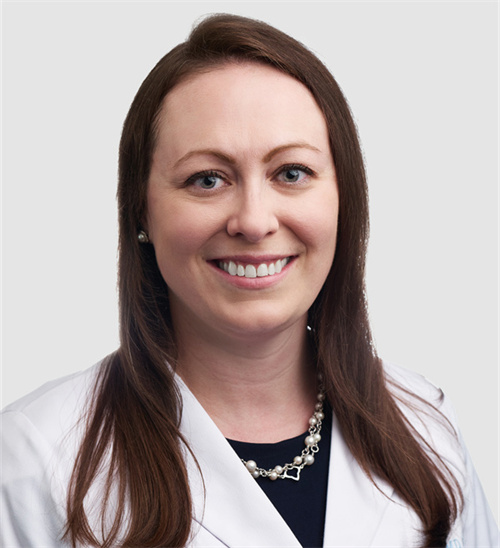
Lisa. Beckett
Doctor of Medicine and Fellow of the American College of Obstetricians and Gynecologists

David Harari
Doctor of Medicine and Fellow of the American College of Obstetricians and Gynecologists